Can a bad well seal let dirt into my water?
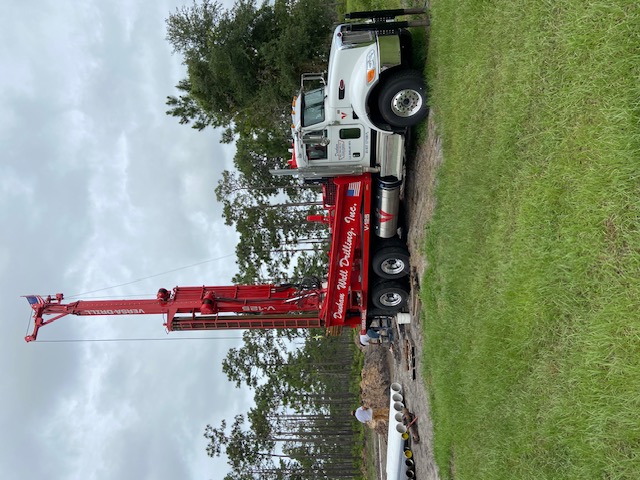
A bad well seal can let dirt into your water, along with surface runoff, insects, and other contamination, so if you’re seeing sediment at the tap, the well seal should be checked right away.
How a bad well seal can let dirt into water
The well seal is one of the parts that helps protect the top of the well casing. When that seal fails, cracks, loosens, or is installed poorly, the opening around the well can become a path for dirt, sand, and surface water to enter the system. In Central Florida, that matters because heavy rain, flooding, and loose sandy soils can all make contamination problems worse.
A bad seal does not always mean your water will turn muddy overnight. Sometimes the first sign is a little grit in the bottom of a glass, a cloudy start after the pump kicks on, or sediment showing up in fixtures and screens. If the problem keeps coming back, the seal is only one of the places we look.
At Dunham Well Drilling, we work on well systems across Polk County and Central Florida, and we see these issues often enough to know they rarely fix themselves. If your water changed after a storm, after pump work, or after a well cap or seal was disturbed, call us for a proper inspection.
Signs the well seal may be failing
A seal issue can show up in a few different ways. Some signs are obvious, while others are easy to miss until the problem gets worse.
Look for:
- Sand or grit in sinks, tubs, or toilets
- Cloudy water right after the pump cycles
- Dirty water after rain or runoff
- A musty, earthy, or unpleasant smell
- Sediment clogging filters faster than usual
- Water quality that changes from day to day
If you also notice pressure problems, short cycling, or the pump running strangely, the issue may involve more than the seal. That’s where our Pump Repair & Installation work at /pumps/ can help, since a system problem and a seal problem can show up together.
Other problems that can look like a bad well seal
Not every case of dirt in well water starts at the top of the casing. A few other issues can mimic a seal failure, and a proper diagnosis matters before anyone starts replacing parts.
Sediment from the aquifer or well condition
Some wells naturally produce fine sand or sediment, especially if the well screen, casing, or pumping setup is not matched well to the site. In those cases, the fix may involve the well itself, pump settings, or filtration rather than the seal alone.
Pump or pressure tank problems
A worn pump, a damaged drop pipe, or pressure tank issues can stir up sediment and cause the water to look dirty when the pump starts. If your system is older, it’s worth having the whole setup checked by a well professional instead of guessing.
Surface water intrusion
If the well head, seal, or casing is not protecting the well properly, surface water can carry dirt and contaminants into the system. That is a serious issue, especially after storms or flooding, and it should be addressed quickly.
What we check during a well inspection
When a customer calls about a bad well seal dirt in water problem, we look at the whole system, not just one part. That includes the top of the well, the casing, the pump, the pressure system, and any filtration equipment already in place.
We may check:
- The well seal or well cap
- The casing for damage or deterioration
- Pump performance and pressure behavior
- Whether sediment is coming from the well or the plumbing
- Whether filtration is needed after the repair
If the water has staining, odor, or hardness issues along with the dirt, our Water Filtration & Treatment service at /water-filtration/ can help with softeners, iron removal systems, iron-sequestering systems, chlorination systems, and hydrogen sulfide treatment. We also do on-site water testing so we can see what’s actually in the water before recommending a fix.
Why Central Florida wells need careful attention
Polk County and the surrounding Central Florida area have local geology that affects how wells behave over time. Sandy soils, heavy rain, and long-term use all play a role in whether a well stays clean and stable. That’s one reason three generations of Dunham experience in Polk County aquifer geology matters when we evaluate a problem.
We also see a lot of irrigation and residential well systems in the area, which means we know how different setups behave under local conditions. If you need help with a shallow irrigation well, our Shallow (2-Inch) Irrigation Wells service at /shallow-wells/ is a cost-effective option for many properties that need regular watering.
When to call for help
If dirt keeps showing up in your water, don’t keep flushing the system and hoping it clears. A bad seal can be part of the issue, but the same symptom can also point to pump trouble, casing damage, or sediment entering from outside the well. The sooner you have it checked, the easier it is to prevent bigger damage.
For winter haven homeowners and other Polk County well owners, Dunham Well Drilling has been helping families and businesses since 1950. We’re a Licensed Water Well Drilling Contractor, a Florida Ground Water Association member, and we handle both well and pump work in-house, including a full-line machine shop for rebuilds.
If you need a well checked, repaired, or tested, call Dunham Well Drilling at (863) 965-2881. We answer with our 24/7 answering service, and calls are returned within 48 hours. It’s worth calling us because we know Central Florida wells, we service the full system, and we bring 76 years of local experience to the job.
Have a well or pump question?
Skip the form and call us. Our 24/7 answering service is always live.
Call (863) 965-2881