Can a bad well seal let dirt into my water?
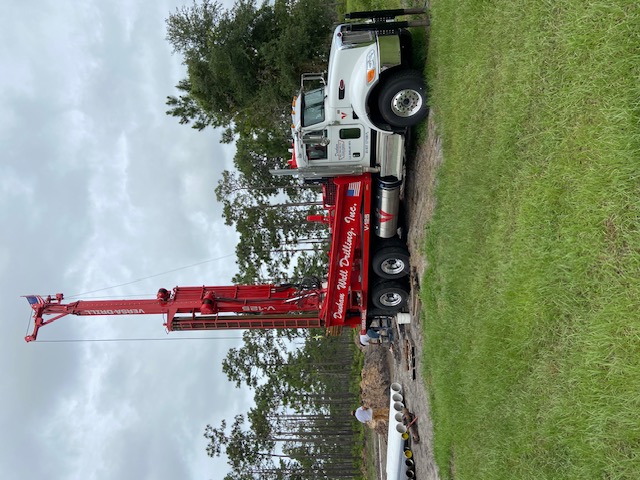
A bad well seal can let dirt into your water by opening a path for surface runoff, sediment, and contaminated water to enter the well casing, especially after heavy rain or flooding in Central Florida.
How a bad well seal lets dirt into water
The well seal is one of the main barriers protecting your well from outside contamination. When it cracks, loosens, or fails, fine soil and sediment can work their way down around the casing and into the water system. That can show up as cloudy water, grit in fixtures, pressure problems, or sudden water quality changes.
In Polk County and across Central Florida, heavy rain can make a weak seal fail faster. If water is pooling around the top of the well, a damaged seal can give that water a direct entry point.
A failed seal may also let in:
- Surface dirt and sediment
- Insects or small debris
- Bacteria from surface runoff
- Water that carries iron or sulfur problems into the system
If you suspect a bad well seal dirt into water issue, do not try to open or patch the well yourself. Call a licensed well contractor to inspect it.
Signs your well seal may be failing
A bad seal does not always cause an obvious leak. Sometimes the first clue is a change in the water itself.
Common warning signs
Look for these problems:
- Sand or dirt in faucets, tubs, or toilet tanks
- Cloudy or muddy-looking water
- Sudden drop in water pressure
- Pump cycling more often than usual
- Wet ground or erosion around the well head
- Water quality that changes after rain
If you have a drinking water well and the water suddenly looks dirty, that is worth checking right away. A seal problem can also happen alongside pump issues, casing damage, or lightning-related electrical damage.
Dunham Well Drilling handles both Pump Repair & Installation and Water Filtration & Treatment, so we can look at the system as a whole instead of only one piece of it.
Why dirt gets in after rain
When the top of the well is not sealed properly, rainwater can carry loose soil and organic material into the well area. That is more likely if the well cap, seal, or casing top has damage, or if the ground around the well is sloped the wrong way.
What can make the problem worse
A few conditions raise the risk:
- Standing water around the well
- Cracked concrete or disturbed soil nearby
- Old or damaged well components
- Improper well construction or aging parts
- Flooding from storms or irrigation runoff
In some cases, what looks like dirt may actually be mineral sediment, iron, or corrosion material. That is one reason on-site testing matters. Our Water Filtration & Treatment service includes on-site water testing to help identify what is actually in your water.
What to do if you think dirt is coming through the well seal
If your water suddenly starts carrying sediment, the safest move is to stop guessing and get the system checked. Do not remove electrical parts, pressure components, or well hardware on your own.
Practical next steps
- Stop using the water for drinking until it is checked
- Do not open the well head yourself
- Avoid washing down dirt around the casing
- Call a licensed well contractor
- Ask for both mechanical inspection and water-quality evaluation
If your system needs a repair, Dunham can help with the well, the pump, and treatment if needed. That matters because one problem can mask another. A dirty water complaint may be caused by a seal issue, but it can also involve the pump, pressure tank, or water chemistry.
For owners who may also need a new or replacement well, our Water Well Drilling service covers residential, agricultural, and commercial wells across Central Florida.
How Dunham checks well-seal and sediment problems
We have been serving Central Florida since 1950, and we know how local aquifer conditions, irrigation demand, and storm weather can affect wells. Our team can inspect the well system, identify likely failure points, and recommend the next step based on what we find.
Because we also have a full-line machine shop on-site, we can rebuild many pumps and turbines in-house instead of sending everything out. We carry Goulds, Sta-Rite, Grundfos, and Schaefer for new and used pump work, and new pump and tank installations come with the standard manufacturer’s warranty.
If the problem is not the seal alone, we can also help with:
- Pressure tank issues
- Pump replacement or rebuild
- Filtration for sand, iron, or sulfur
- Well abandonment if an unused well needs to be properly closed under Florida Statutes
That combination saves time when the issue crosses over between drilling, pumping, and treatment.
When dirt in water is more than a nuisance
Small amounts of sediment can be annoying, but they can also point to a larger problem. If the seal has failed badly, the well may be vulnerable to contamination every time it rains.
That is especially important for:
- Drinking water wells
- Mobile-home-park wells
- Wells that serve multiple buildings
- Properties that depend on steady irrigation water
If you are seeing dirt in a well used for drinking water, or if a mobile-home-park well is down, that falls into our emergency definitions. We answer with a 24/7 answering service and calls are returned within 48 hours.
Get help before the problem gets worse
If you think a bad well seal dirt into water problem is affecting your home or property, call Dunham Well Drilling when you notice cloudy water, sand, or a change after rain. Reach us at (863) 965-2881 for help with inspection, pumping issues, and water treatment, and trust a family business that has been working in Polk County since 1950 with a full machine shop and licensed well service.
Have a well or pump question?
Skip the form and call us. Our 24/7 answering service is always live.
Call (863) 965-2881