How Do I Know If My Well Casing Is Bad?
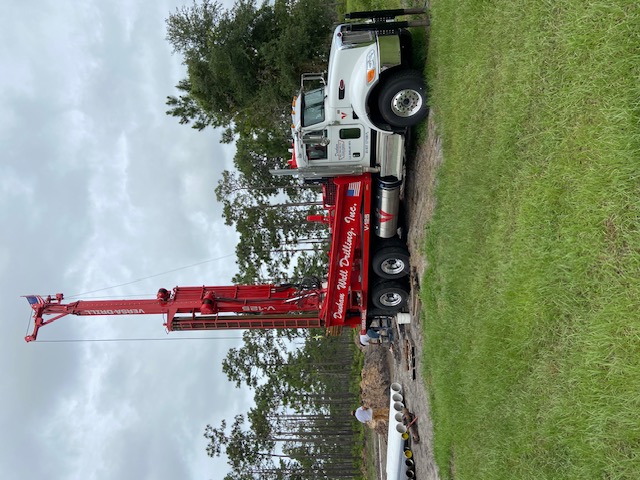
A bad well casing can let sand, surface water, or rust into your water system, and the warning signs usually show up as cloudy water, sediment, pressure changes, or recurring pump problems.
What a Bad Well Casing Looks Like in Real Life
The casing is the pipe that lines the well and helps keep the borehole stable while protecting the water supply from contamination. When it starts to fail, the problem is often not obvious from the top of the well.
In Central Florida, we see casing trouble tied to age, corrosion, shifting ground, and damage around the wellhead. If you own a well in Polk County and the water suddenly changes, the casing may be part of the problem.
Common signs include:
- Sand or grit in the water
- Cloudy or discolored water
- Rust stains in fixtures or laundry
- A sudden drop in water pressure
- Air spurts or sputtering at faucets
- Repeated pump cycling or pump failures
- A well cap or casing that looks damaged, tilted, or rusty
If those symptoms are new or getting worse, it’s time to have the well inspected. For drinking-water wells, that matters even more because casing problems can open the door to surface contamination.
Signs Your Well Casing May Be Failing
Water quality changes are a big clue
When a casing cracks, corrodes, or separates, water from outside the intended aquifer zone can enter the well. That can bring in sediment, bacteria, or mineral-heavy water that changes the way your tap water looks and smells.
At Dunham Well Drilling, we handle both water well drilling and water filtration & treatment, so we can look at the whole system, not just the symptom at the faucet. If the issue is contamination, treatment may help, but the casing still needs attention if it is letting the wrong water into the well.
Pressure and pump problems can point to casing trouble
A failing casing can interfere with how your pump draws water. You may notice pressure drops, short cycling, or a pump that seems to work harder than it should.
That does not always mean the pump is the only problem. Sometimes the pump is responding to a deeper issue in the well itself. Our pump repair & installation service covers diagnostics, pump work, pressure tanks, and in-house rebuilds at our full-line machine shop.
Rust, sediment, and scaling matter
If you see orange staining, gritty water, or buildup around fixtures, the casing could be corroding or letting material into the water column. That is especially common in older wells or wells that have gone a long time without being inspected.
A bad casing can also affect the life of your pump and water treatment equipment. Sediment and mineral debris are rough on moving parts, and they can shorten the life of valves, switches, and pressure equipment.
What Causes Well Casing Damage?
In Central Florida, casing problems usually come from a mix of age and environment. Some of the most common causes are:
- Corrosion over time
- Physical damage to the top of the casing
- Ground movement or settling
- Poor original installation
- Lightning-related electrical damage to connected equipment
- Long-term exposure to water chemistry that attacks metal parts
Florida wells also have to deal with heat, heavy rain, and frequent electrical storms. We see lightning damage every season, and that can create a chain reaction that damages the pump, controls, or pressure-switch components attached to the well system.
If the problem involves electrical damage, our lightning damage repair service includes pump and motor repair, irrigation electrical repair, pressure-switch and control replacement, and casing damage assessment.
Can You Tell Just by Looking?
Sometimes you can spot a problem at the surface, but not always. A casing that looks fine from the outside can still be compromised underground. That is why a proper inspection matters.
Look for these visible warning signs
- The well cap is loose, missing, or damaged
- The casing is bent, leaning, or sticking out unusually
- There is visible rust or cracking near the top
- Water pools around the wellhead after rain
- The ground around the well has shifted or settled
If you notice any of those issues, stop relying on guesswork and have the well checked. For a shallow irrigation system, the fix may be straightforward. For a deeper drinking-water well, diagnosis should be done by a licensed water well drilling contractor.
What We Check During a Well Inspection
At Dunham, we look at the well system as a working unit. That means the casing, pump, pressure system, and water quality all matter.
A typical inspection may involve checking:
- The condition of the casing and well cap
- Pressure performance and pump behavior
- Signs of sediment, rust, or contamination
- Whether the system needs treatment, repair, or rehabilitation
- Whether the issue is actually the well or the equipment attached to it
Because we offer both drilling and treatment, we can help sort out whether the best answer is repair, replacement, or filtration. We also do on-site water testing to identify what’s actually in your water.
When Casing Trouble Means It’s Time to Call
You should call when you notice a major water-quality change, ongoing sediment, unexplained pressure issues, or visible damage at the wellhead. Do not wait if your drinking-water well has stopped working or if a mobile-home-park well is down; those qualify as emergencies for our 24/7 answering service.
If the casing is badly damaged, replacement or abandonment may be the safest path. When a well is no longer usable, we also handle well abandonment properly in compliance with Florida Statutes and file the state rebate paperwork on the customer’s behalf.
Get Straight Answers From a Local Well Shop
If you think you may have a bad well casing, call Dunham Well Drilling in Winter Haven at (863) 965-2881. We’ve served Polk County and Central Florida since 1950, and we bring three generations of drilling experience plus an on-site machine shop to every job. Call when you see sand, pressure changes, rust, or a sudden water-quality shift, and we’ll help you figure out the next step.
Have a well or pump question?
Skip the form and call us. Our 24/7 answering service is always live.
Call (863) 965-2881