Why Is My Well Water Brown After Heavy Rain?
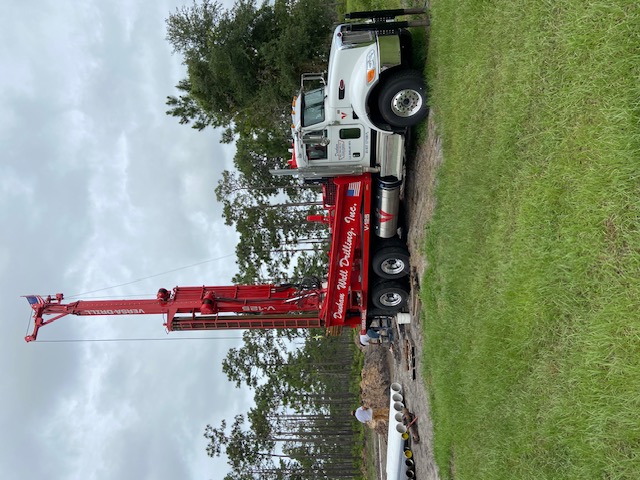
Brown well water after rain usually means sediment, tannins, or surface water intrusion has disturbed your well system, and the right fix depends on whether the issue is in the well, the pump, or the water itself.
Why Brown Well Water Shows Up After Heavy Rain
When a storm dumps a lot of water on the ground, the water table can rise and stir up fine sediment around a well. In some Central Florida properties, that can show up as brown or rusty-looking water at the tap after heavy rain. The color may come and go, or it may stay until the system flushes out.
A few common causes are:
- Sediment stirred up in the well
- Iron in the water oxidizing
- Runoff entering a damaged or improperly sealed well
- A failing pump or pressure system pulling in debris
- Disturbed plumbing after a sudden change in water demand
If the water clears after a short run, the problem may be temporary. If it stays brown, gets worse, or you also notice changes in pressure, odor, or taste, it’s time to have the system checked by a professional. We handle these calls every week through our pump repair and installation and water filtration and treatment services.
What Brown Water Can Mean for a Central Florida Well
Sediment and Iron Are the Usual Suspects
In Polk County and across Central Florida, well water often carries some iron or naturally occurring sediment. After heavy rain, that material can get stirred up and pushed through the system. Once exposed to air, iron can turn water yellow, orange, or brown.
That does not always mean the well is failing. It does mean something changed in the system, and the source needs to be identified before the problem gets worse.
Surface Water Intrusion Is a Bigger Concern
If a well cap, casing, or seal is damaged, heavy rain can allow contaminated surface water to enter where it should not. That can bring in dirt, organic material, and bacteria along with the discoloration. This is one reason we always recommend a proper inspection instead of guessing.
At Dunham Well Drilling, we provide water well drilling and service across Polk County, and we know the local aquifer conditions well enough to tell the difference between a simple sediment issue and a more serious well problem.
Signs the Problem Is in the Well, Not Just the Water
Brown water after rain is often only part of the story. Pay attention to these warning signs:
- Water pressure drops or surges
- The pump cycles more often than usual
- Rusty or sandy water keeps returning
- There is a rotten-egg smell or other unusual odor
- The water stays discolored for more than a brief flush
- You have a mobile-home-park well or a drinking water well that has stopped working
If any of those are happening, call us. We can inspect the system, test the water, and determine whether the issue is mechanical, chemical, or related to the well itself.
What We Check During a Service Call
We do not guess at brown well water after rain. We look at the whole system.
Pump, Tank, and Pressure Checks
A problem with the pump, pressure tank, or controls can allow sediment to move through the system or make a minor issue seem much worse. Our team repairs and installs every common pump type, and we have a full-line machine shop for in-house rebuilds. That means we can service more than one part of the system without sending you somewhere else.
Water Testing and Treatment Options
If the water has been discolored by iron or other minerals, treatment may be the right answer. Our water filtration and treatment service includes on-site water testing and whole-house systems for:
- Water softeners
- Chlorination systems
- Iron removal systems
- Iron-sequestering systems
- Hydrogen sulfide treatment
The goal is to identify what is actually in the water before recommending a fix.
Well Inspection and Repair
If we suspect the issue is tied to the well structure, we can evaluate the casing and the overall condition of the system. For new wells, we provide water well drilling for residential, agricultural, and commercial properties. We also handle shallow irrigation wells for properties where a 2-inch well makes sense and can be a cost-effective alternative to metered municipal water.
Can You Run the Water Until It Clears?
Sometimes a short flush helps after a rainstorm, especially if the discoloration came from stirred-up sediment. But if the water remains brown, do not assume it will fix itself. Continuous flushing can waste water, and if the source is a damaged well or pump issue, the problem will keep coming back.
Do not try to open electrical components, pressure tanks, or deep well equipment yourself. Call a licensed well contractor to inspect it safely.
Why Central Florida Wells Need a Local Service Team
Polk County wells are affected by local geology, water table changes, and weather swings that a general contractor may not see often. Dunham has been serving this area since 1950, and we are a Florida Ground Water Association member and a licensed water well drilling contractor. That matters when the water changes after a hard rain and you need someone who understands both the system and the local conditions.
We also handle related issues beyond the well itself, including irrigation repair, lightning damage repair, and well abandonment. If the brown water is part of a larger system problem, we can usually help with the full job instead of just one piece of it.
If your brown well water after rain is still showing up after a flush, or if you want a professional to check the pump, pressure system, or well condition, call Dunham Well Drilling at (863) 965-2881. We’re in Winter Haven, we’ve been here since 1950, and our full machine shop and local experience help us find the problem and fix it the right way.
Have a well or pump question?
Skip the form and call us. Our 24/7 answering service is always live.
Call (863) 965-2881