How do I know if my well check valve is bad?
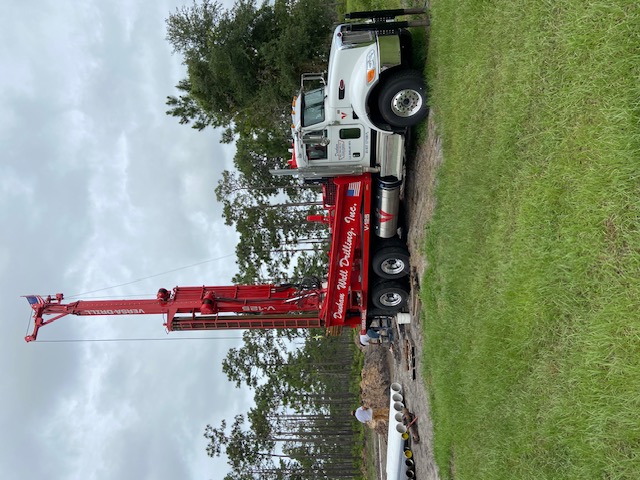
A well check valve bad condition usually shows up as loss of pressure, short-cycling, or water draining back out of the system after the pump shuts off.
Signs a Well Check Valve Is Going Bad
A check valve is a one-way valve that keeps water from flowing backward when the pump stops. When it starts failing, the symptoms can look like a pump problem, a pressure tank problem, or even a leak in the well system.
Common signs include:
- Pressure drops quickly after the pump shuts off
- Pump cycles on and off more often than normal
- Air spits from faucets
- Water takes longer to return after the pump restarts
- You hear water moving backward or see pressure loss without obvious leaks
- The pump seems to run longer to restore pressure
If you’re seeing one or more of these issues, the check valve may be worn, stuck open, or leaking internally.
What a bad check valve actually does
In a healthy system, the check valve holds pressure in the line and prevents water from running back down into the well. If that valve fails, the pump has to refill the pipe every time it starts. That puts extra wear on the pump, increases run time, and can make the whole system feel unstable.
On some systems, a bad check valve can also make it seem like the pressure tank has failed. That’s why it’s worth having the system checked as a whole rather than guessing at the problem.
Well Check Valve Bad vs. Pump or Tank Problem
A lot of homeowners in Polk County first notice the symptoms at a faucet, but the real issue may be elsewhere in the system. A failing check valve can mimic a bad pressure tank, a weak pump, or a control issue.
Here’s a simple way to think about the difference:
- Check valve problem: Pressure falls off after shutoff, and the pump may need to restart more often
- Pressure tank problem: Pump short-cycles even though the pressure holds fairly steady
- Pump problem: Low pressure continues while the pump is running
- Air leak or suction issue: Air enters the system, causing sputtering or irregular flow
If your well system has both pressure loss and odd cycling, the check valve is one of the first parts we inspect during Pump Repair & Installation.
Signs that point more toward the check valve
A bad check valve becomes more likely when:
- The system builds pressure normally, then loses it overnight
- The pump starts again after a short idle period with no fixture running
- Water flow returns after a delay
- The system has been running fine and then suddenly starts losing prime or pressure
If the symptoms are repeatable and there’s no obvious leak in the house plumbing, the valve deserves attention.
Why Check Valves Fail
Check valves wear out for a few common reasons. Some are simple age and use. Others are tied to water conditions or system design.
Typical causes include:
- Normal wear from repeated cycling
- Debris getting into the valve seat
- Corrosion or mineral buildup
- Improper installation
- Water hammer or pressure shock
- Old or failing pump components that create abnormal system stress
In Central Florida, mineral content and sediment can also contribute to valve wear over time. That’s one reason a system check should include more than just the valve itself.
What We Check During a Service Call
When we inspect a system that may have a bad check valve, we look at the pump, tank, controls, and water behavior together. That helps us avoid replacing the wrong part.
We may evaluate:
- Pressure behavior at shutoff and restart
- Whether the pump is holding prime
- Tank performance and pressure settings
- Signs of backflow or internal leakage
- Pump condition and related components
- Water quality issues that may be contributing to wear
If the valve needs repair or replacement, we can handle that as part of Pump Repair & Installation. If the system also needs water treatment because of hard water, staining, or odor, we can look at Water Filtration & Treatment too.
When the problem is really the tank
Sometimes homeowners assume the check valve is bad when the actual issue is a failed pressure tank bladder or incorrect air charge. That can cause rapid cycling and pressure swings that feel similar to a valve problem.
The difference matters because replacing the wrong part won’t solve the issue. That’s why it helps to have a shop that works on pumps and pressure tanks together instead of treating them as separate jobs.
Should You Replace It Yourself?
If your system involves electrical service, pressure tank work, or deeper well components, call a professional. Well systems are not a good place to guess, especially when the symptom could involve pressure, wiring, or hidden plumbing under load.
A check valve replacement may sound simple, but if the valve is deep in the system or the problem is actually elsewhere, a DIY repair can turn into a larger issue. It’s better to have it diagnosed correctly the first time.
For homeowners who want a local crew that understands Polk County well systems, our Winter Haven shop is set up for in-house pump work, and we’ve been serving Central Florida since 1950.
Getting the Right Repair for Your Well System
A failing check valve can waste water, shorten pump life, and make your system unreliable. If your pressure drops after shutdown, the pump is cycling more than it should, or you’re getting air and sputtering at the taps, it’s time to have it inspected.
We also handle related services like Water Well Drilling for new systems and Shallow (2-Inch) Irrigation Wells for irrigation properties that need a cost-effective water source. If your existing system is damaged by lightning, we also provide Lightning Damage Repair and work directly with your insurance company on the claim.
If your well check valve may be bad, call Dunham Well Drilling at (863) 965-2881. With 76 years in business, a full-line machine shop, and service rooted in Polk County, we can diagnose the problem and get you pointed toward the right repair.
Have a well or pump question?
Skip the form and call us. Our 24/7 answering service is always live.
Call (863) 965-2881