Why is my well water foamy after a power outage?
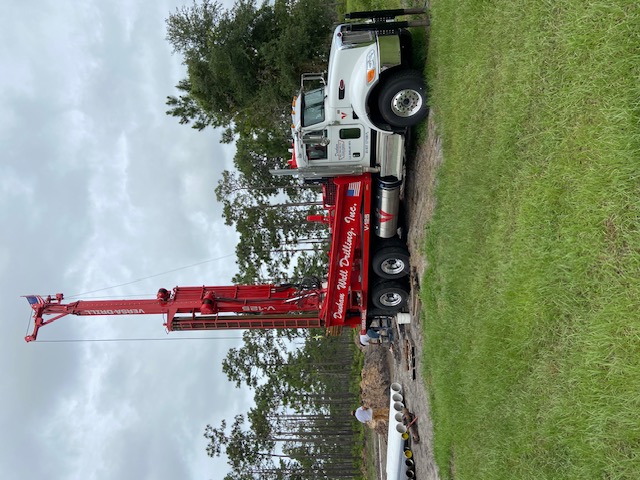
Well water foamy after power outage usually points to air getting into the plumbing, a pump that lost prime, or a pressure-switch issue that needs a proper inspection.
Why well water foamy after power outage happens
A power outage can stop your well pump suddenly, and when the power comes back on, the system may not restart as smoothly as before. If air gets pulled into the pump, pressure tank, or water lines, the water can come out looking white, bubbly, or foamy at the tap.
In many homes, that foam is just entrained air that clears after the system runs for a bit. But if the foamy water keeps coming back, you may be dealing with a real well-system problem. In Central Florida, we often see this after a storm, lightning event, or utility interruption that affects the pump or controls.
A few common causes include:
- Air in the lines after the pump shuts down and restarts
- Loss of prime on the pump
- Low water level in the well
- Pressure tank problems
- A damaged pressure switch or control
- A cracked fitting or leak on the suction side
- Lightning damage to pump components or electrical controls
If the foam disappears quickly, the issue may be temporary. If your water stays foamy, sputters, or pressure keeps cycling, call for service.
What the foam is telling you about your well system
Foamy water does not always mean your water is unsafe, but it does tell you something changed in the system. When air gets mixed into water under pressure, it can look cloudy or frothy until it settles.
Air, pressure, and pump restart problems
After an outage, the pump may start against a changed pressure condition. If the system has a weak check valve, a leak, or a pressure tank issue, air can move through the plumbing and show up at the faucet. If the pump is struggling to rebuild pressure, you may also hear short cycling or unusual noises.
This is one reason we inspect the full system, not just the faucet symptom. Our Pump Repair & Installation service covers residential pumps, pressure tanks, and control issues, and we rebuild pumps in-house in our full-line machine shop when needed.
Lightning and electrical damage after storms
In Polk County, power outages often come with lightning, and lightning damage can affect well motors, switches, and controls even if the pump still runs. If the problem started right after a storm, it may be more than trapped air.
We handle Lightning Damage Repair for well systems, including pump and motor repair, pressure-switch replacement, and well system electrical issues. We also work directly with your insurance company on the claim when lightning is involved.
When foamy water is a simple air issue, and when it is not
A quick burst of foam that clears after a short run can happen when:
- The pump lost prime briefly
- A faucet or hose connection let air into the line
- The system was off long enough for pressure to bleed down
But you should call if you notice any of these:
- Foamy or cloudy water that keeps returning
- Low water pressure after power is restored
- The pump clicking on and off rapidly
- No water at all
- Burning smell, humming, or breaker problems
- Sediment, staining, or rotten-egg odor along with the foam
If you have no water after a power outage, do not keep resetting breakers or cycling controls over and over. That can make the damage worse.
What we check on a foamy-water service call
When we come out for a foamy water issue, we look at the whole system: pump, pressure tank, controls, wiring, and well performance. If the issue is tied to water quality rather than air in the system, we can also test the water and recommend treatment.
How we diagnose the source
We may check:
- Pump operation and pressure build
- Pressure tank condition
- Pressure switch and control function
- Signs of air leaks or failed valves
- Electrical damage from storms
- Water quality issues such as iron or sulfur
If the water is foamy because of a treatment issue or gas in the water, our Water Filtration & Treatment service can help with whole-house systems for hard water, iron, staining, and hydrogen sulfide odor. We also do on-site water testing to identify what is actually in your water.
Why local experience matters in Central Florida
Polk County aquifer conditions, water levels, and storm patterns all affect how wells behave. We’ve drilled and serviced wells across Winter Haven for three generations, and that local experience helps us spot whether the problem is electrical, mechanical, or water-related.
If your property needs a new system or a better fit for local conditions, our Water Well Drilling service covers new residential, agricultural, and commercial wells across Central Florida, including 2-inch shallow irrigation wells and 4-inch to 8-inch deep wells.
What to do right now if your water is foamy
Before you call, you can do a few safe checks:
- Turn on a cold-water faucet and let it run briefly to see whether the foam clears
- Check whether the pressure seems normal
- Listen for the pump cycling strangely
- Note whether the problem happens at every faucet or only one
- Pay attention to any storm or outage timing
Do not open electrical components, pressure tanks, or well equipment yourself. If the problem involves wiring, switches, or pressure equipment, call a licensed professional.
If your unused well needs to be taken out of service instead of repaired, we also handle Well Abandonment in compliance with Florida Statutes, including state rebate paperwork filed on your behalf.
If your well water is foamy after a power outage, call Dunham Well Drilling at (863) 965-2881. We’ve been serving Winter Haven and Central Florida since 1950, we have a 24/7 answering service, and our full machine shop lets us rebuild many pumps and turbines in-house when repair is the right fix.
Have a well or pump question?
Skip the form and call us. Our 24/7 answering service is always live.
Call (863) 965-2881