What should I test in my well water?
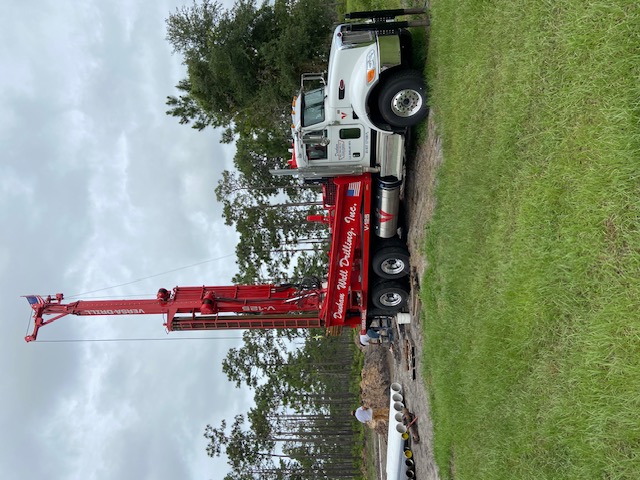
Well water testing should start with the basics that affect safety, taste, and equipment: bacteria, nitrates, pH, hardness, iron, sulfur, and anything else tied to staining, odor, or corrosion.
What to check first in well water testing
If you own a well in Central Florida, the first tests should answer two questions: is the water safe to drink, and is it causing damage to plumbing or equipment? That usually means a basic drinking water screen plus a few treatment-related checks.
At minimum, we recommend testing for:
- Total coliform bacteria and E. coli
- Nitrates/nitrites
- pH
- Hardness
- Iron
- Hydrogen sulfide if you notice a rotten-egg smell
- Turbidity or visible cloudiness
If you’re seeing staining, odor, or taste issues, those clues matter. A good test helps separate a water-quality problem from a pump problem, and that saves time when we evaluate the system.
Common problems a well water test can reveal
Some wells need a basic safety screen. Others need a more complete look because the water is damaging fixtures or making the water unpleasant. We see both in Polk County and across Central Florida.
Bacteria and contamination concerns
If a well water test finds coliform bacteria or E. coli, the water needs attention right away. That does not always mean the well is ruined, but it does mean you should stop guessing and have the system checked.
Bacteria can enter through a damaged well cap, surface water intrusion, or a sanitary issue around the well. If you suspect contamination, call us for an inspection and testing guidance. We provide water filtration and treatment and can help identify what the water actually contains.
Iron, sulfur, and staining
Orange or brown stains often point to iron. A rotten-egg odor usually points to hydrogen sulfide. These are common well-water complaints, and they are usually treatable once you know what is in the water.
That’s why we pair testing with treatment options. We install and service systems for iron removal, iron-sequestering, chlorination, and other water filtration solutions for hard, smelly, or staining well water.
Hard water and scale
Hardness is another test worth doing, especially if you see scale on fixtures, cloudy glassware, or shortened appliance life. Hard water does not usually mean your water is unsafe, but it can be rough on plumbing and water-using appliances.
Knowing the hardness level helps you choose the right softener size and treatment approach. If you also have a pressure problem or pump issue, we can look at that too through our pump repair and installation services.
When you should test more than the basics
A basic test is a good start, but some situations call for a broader panel. You should consider more complete well water testing if:
- You have a new well
- The water suddenly changed taste, smell, or color
- You have recurring stains or scale
- A family member has a sensitive health condition
- The well has had storm damage or lightning-related issues
- You are buying or selling a home with a private well
- The system has been idle for a while
If lightning has affected the well system, the issue may be electrical rather than chemical. In that case, our lightning damage repair service can check the pump, motor, pressure switch, and related components.
What testing tells you about the well system
Well water testing does more than label the water. It tells you what kind of fix makes sense.
A test may show that the problem is:
- Water quality, which points to filtration or treatment
- Pump performance, which may point to a failing pump or pressure tank
- Well construction, which may point to casing or cap issues
- Surface intrusion, which can mean contamination is getting in somewhere
That is one reason Dunham handles both well drilling and pump repair. We can look at the whole system, not just one piece of it. We’ve been serving Winter Haven and Polk County since 1950, and we know how local aquifer conditions can affect results.
How Dunham helps with well water testing
We provide on-site water testing to help identify what is actually in your water. That matters because a guess can lead to the wrong filter, the wrong pump work, or unnecessary expense.
We also offer:
- Water Filtration & Treatment
- Pump Repair & Installation
- Water Well Drilling
- Service in Winter Haven and throughout Polk County
If your water issue turns out to be a shallow irrigation concern rather than a drinking-water problem, we also drill shallow 2-inch irrigation wells for properties that need a cost-effective water source for regular landscape watering.
What to do after you get results
Once you have test results, keep the report and compare it against the symptoms you’re seeing. A result by itself is only part of the picture.
Use the results to decide whether you need:
- A water softener
- Iron or sulfur treatment
- Chlorination
- Pump service
- A well inspection
- A new well or well abandonment
If the well is old, unused, or beyond repair, we also handle well abandonment in compliance with Florida Statutes and can file the state rebate paperwork on your behalf.
Call Dunham when your water changes
If your water smells bad, tastes off, stains fixtures, looks cloudy, or you just want to know what is in it, call Dunham Well Drilling at (863) 965-2881. We have a 24/7 answering service and calls are returned within 48 hours, and it’s worth calling us because we combine on-site water testing, pump service, filter work, and 76 years of family experience in Central Florida well systems.
Have a well or pump question?
Skip the form and call us. Our 24/7 answering service is always live.
Call (863) 965-2881