What makes well water taste metallic?
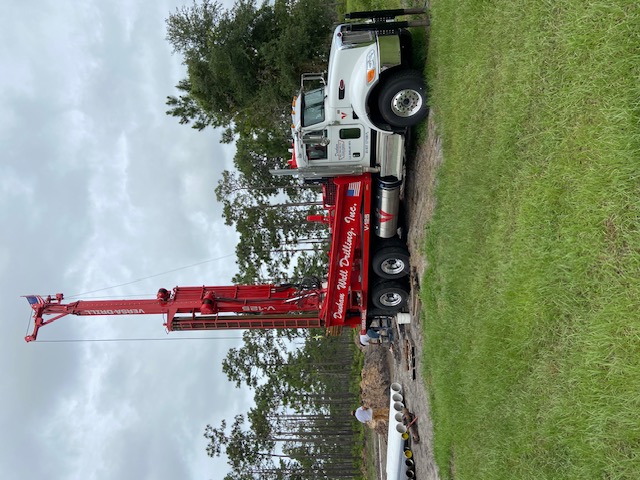
Well water metallic taste usually comes from dissolved iron, manganese, or corrosion in the plumbing or pump system, and the right fix starts with a proper water test.
Why well water tastes metallic in Central Florida
A metallic taste in well water is one of the most common complaints we hear from well owners in Polk County and across Central Florida. In many cases, the taste comes from naturally occurring minerals in the aquifer, especially iron and sometimes manganese. Those minerals can affect flavor, staining, and water clarity even when the water is otherwise safe to use.
The taste can also come from the well system itself. Older plumbing, worn pump components, pressure tanks, or corrosion in metal parts can change how water tastes before it reaches the tap. That is why the fix is not always “add a filter” and hope for the best.
If you are in our area and dealing with this issue, we can help with both Water Filtration & Treatment and Pump Repair & Installation so the problem is looked at from both sides.
Common causes of a metallic taste in well water
Iron in the water supply
Iron is one of the most common reasons well water tastes metallic. It can show up in different forms, and each one behaves a little differently. Some water tastes like pennies or blood, while some leaves orange staining in sinks, tubs, toilets, and laundry.
If the iron is dissolved, it may not be obvious until the water sits exposed to air or contacts chlorine or oxygen. Then it can oxidize and show up as discoloration or sediment.
Manganese and other minerals
Manganese can also create a metallic taste, sometimes with a darker staining problem. In some wells, iron and manganese appear together, which makes the water quality issue more noticeable. A treatment system has to be matched to what is actually in the water, not just to the taste.
That is why we use on-site water testing to identify what is in your water before recommending treatment. Guessing leads to the wrong equipment and a problem that comes back.
Corrosion in pumps, tanks, or plumbing
A metallic taste does not always mean the aquifer itself is the only issue. Corroding pump parts, failing pressure tanks, or aging plumbing can add a metal taste to the water. This is especially worth checking if the taste started suddenly or changed after a pump repair, lightning event, or pressure problem.
At Dunham, we work on both the water side and the mechanical side. That matters because a treatment system will not fix a pump problem, and a pump repair will not remove iron.
Signs the problem may be more than taste
A metallic taste often comes with other clues. Look for these common signs:
- Orange, brown, or black staining on fixtures, tubs, or laundry
- Rotten-egg odor, which may point to hydrogen sulfide
- Cloudy or discolored water after the pump starts
- Reduced water pressure or pump cycling problems
- Sediment in aerators, valves, or filters
- Staining that returns quickly after cleaning
If you notice more than one of these, the issue may involve both water chemistry and equipment condition. In that case, a combined service call is often the fastest way to get to the root of it.
How we solve metallic-tasting well water
Water testing and treatment selection
The first step is figuring out whether the taste is caused by iron, manganese, hydrogen sulfide, corrosion, or a mix of issues. Our Water Filtration & Treatment service covers whole-house treatment systems for hard, smelly, or staining well water, including:
- Water softeners
- Chlorination systems
- Iron removal systems
- Iron-sequestering systems
- Hydrogen sulfide treatment
We match the treatment to the water, not the other way around.
Checking the pump and pressure system
If the taste is linked to a mechanical issue, we also inspect the system for pump wear, pressure tank problems, and control issues. Our Pump Repair & Installation service covers residential pumps, irrigation pumps, turbine pumps, industrial pumps, centrifugal pumps, and pressure tanks.
We also have a full-line machine shop on site, which means pumps and turbines can be rebuilt in-house instead of sent out. That helps when the problem is tied to worn equipment or damaged parts.
When a new well may be part of the answer
If your current well is undersized, aging, or poorly matched to your water needs, a new well may be the better long-term fix. Our Water Well Drilling service includes new residential, agricultural, and commercial wells, plus site evaluation and casing selection.
We drill 2-inch shallow irrigation wells and 4-inch to 8-inch deep wells for drinking water and high-volume use. In some properties, a shallow irrigation well is a cost-effective option that can pay for itself in a short period compared with metered municipal water.
What to do before you replace anything
Before spending money on new filters or equipment, get the problem identified correctly. A metallic taste can come from the water itself, the pump system, or both. Replacing the wrong part may improve things temporarily, but it usually does not solve the underlying issue.
If you are in Winter Haven or anywhere in our Polk County and Central Florida service area, we can help evaluate the whole system. We have been doing this work since 1950, and we know how often iron, manganese, and equipment wear show up together in local wells.
Talk to Dunham about metallic-tasting well water
If your well water tastes metallic, call us before it gets worse or starts staining fixtures and laundry. Reach Dunham Well Drilling, Inc. at (863) 965-2881 for our 24/7 answering service; calls are returned within 48 hours, and we can help with testing, pump repair, and treatment systems backed by 76 years in business and a full machine shop in Winter Haven.
Have a well or pump question?
Skip the form and call us. Our 24/7 answering service is always live.
Call (863) 965-2881