Why is my well water suddenly sandy or gritty?
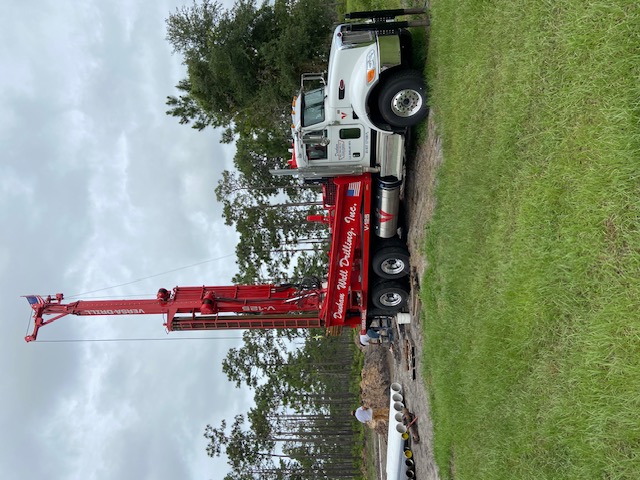
If your well water is suddenly sandy or gritty, the most common cause is that sand, silt, or sediment is getting into the well or pump system and needs to be checked before it causes more damage.
Why well water turns sandy or gritty
A sudden change in water texture usually means something changed in the well system, not the water utility. In Central Florida, that can happen for several reasons: the well may be drawing from a sandy formation, the screen or casing may be damaged, the pump may be set too low, or the well may be producing more sediment than before.
In Polk County and the surrounding area, we also see issues related to local aquifer conditions and well construction. A well that worked fine for years can start carrying grit after a storm, a pump change, a lowering of the water level, or normal wear in the well itself.
Here are some of the most common causes:
- A damaged or worn well screen
- A cracked casing or loose connection
- A pump set too low in the well
- Sediment stirred up after heavy pumping
- A failing pressure tank or pump issue affecting flow
- A newly drilled well that has not fully stabilized
If the water is only gritty when the pump first starts, that can point to sediment being stirred up. If it stays sandy all the time, the problem may be inside the well or at the pump intake.
What sandy water can mean for your well system
Sediment can wear out equipment fast
Sand and grit do not just affect water quality. They can also shorten the life of plumbing fixtures, faucets, filters, and appliances. If abrasive material is moving through the system, it can wear pump parts and damage seals over time.
That is why we treat gritty water as a system issue, not just a nuisance. At Dunham Well Drilling, we handle both pump repair and installation and water well drilling, so we can look at the whole setup instead of guessing at one part of it.
It can also point to a filtration need
Sometimes the well itself is sound, but the water needs treatment for sediment or mineral content. If the problem is not structural, a treatment system may help reduce the grit and the staining or odor that often shows up with it.
We provide water filtration and treatment for hard, smelly, or staining well water, and we do on-site water testing to help identify what is actually in your water.
What to check before you call
There are a few simple things a homeowner can notice without taking apart the system:
- Does the grit show up at every tap or only one fixture?
- Is the water sandy only after the pump starts?
- Did the problem begin after a storm, power issue, or pump cycle change?
- Is there visible sediment in a glass or tub?
- Has water pressure changed at the same time?
If the answer is yes to pressure changes, pump noise, or ongoing sediment, the system should be inspected. Do not try to open the well, work on electrical service, or remove pressure tank components yourself. Call a licensed well contractor.
How Dunham diagnoses gritty well water
We have been working on wells in Winter Haven and across Central Florida since 1950, and we know the kinds of problems that show up in local wells. Our shop is in Winter Haven, and we serve Polk County and Central Florida with a full range of well and pump services.
When a customer calls about sandy or gritty water, we may look at:
- Well depth and construction
- Pump placement
- Condition of the casing and screen
- Pressure and flow symptoms
- Whether the issue belongs to the well, pump, or treatment system
Because we offer both irrigation repair and installation and well/pump service, we can also help if gritty water is affecting irrigation systems or causing pump trouble.
When the problem may need a well repair or new well work
If the casing is damaged, the screen has failed, or the well is producing too much sediment, the fix may go beyond filters. In some cases, that means repair; in others, it may mean new well work.
Our water well drilling service includes site evaluation and casing selection, and we drill new wells for residential, agricultural, and commercial properties across Central Florida. We also handle shallow 2-inch irrigation wells when the property is a good fit for that type of setup.
Why Central Florida wells develop sediment issues
Central Florida’s geology and water table can create different well conditions from one property to the next. In our area, shallow wells, deep wells, irrigation wells, and drinking water wells all need to be matched to the site and the water conditions.
Common local triggers for gritty water include:
- Seasonal water-level changes
- Heavy irrigation demand
- Pump wear in older systems
- Sediment disturbance after repairs or lightning-related issues
- Age-related wear in the well construction
If your well water was clear before and is now sandy or gritty, something changed. That is usually the point where a diagnosis matters more than a guess.
Get the right fix instead of chasing symptoms
A filter can help in some cases, but if the well is pulling sediment from the source, a filter alone may not solve the problem. On the other hand, a costly well repair is not necessary if the issue is actually a pump setting or treatment need.
That is why customers call Dunham for a whole-system look. We have a full-line machine shop for in-house rebuilds, and we carry pumps from Goulds, Sta-Rite, Grundfos, and Schaefer for new and used applications. We can also handle well abandonment when an unused well needs to be properly closed out under Florida Statutes.
If you are seeing gritty water in your home or irrigation system, call Dunham Well Drilling at (863) 965-2881. We have been serving Central Florida since 1950, and our family-run shop can help determine whether the issue is the well, the pump, or the water treatment system.
Have a well or pump question?
Skip the form and call us. Our 24/7 answering service is always live.
Call (863) 965-2881