How often should I test my well water in Florida?
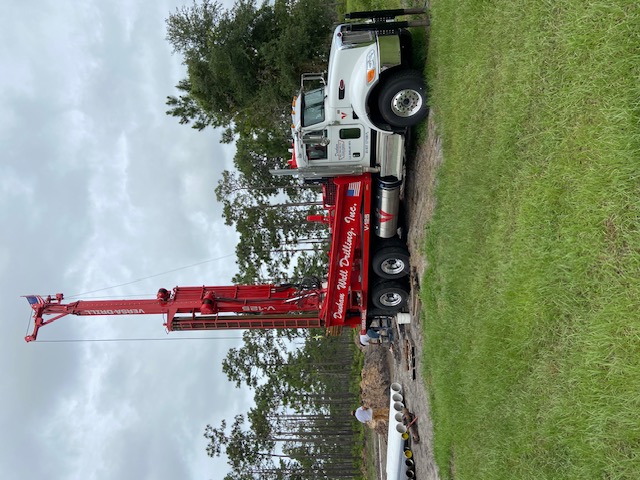
How often should you test your well water in Florida? At a minimum, test private well water once a year, and test sooner anytime the water changes color, smell, taste, or pressure, because Florida wells can be affected by seasonal water-table shifts, plumbing issues, and contamination from nearby activity.
How often should you test your well water in Florida?
For most Central Florida well owners, annual water testing is the baseline. That gives you a regular check on bacteria, nitrate, and other common concerns before a problem becomes obvious at the tap.
You should also test your water right away if you notice:
- A rotten-egg odor
- Rusty or staining water
- Sudden cloudiness or sediment
- A change in taste
- A drop in pressure or flow
- A pump that starts cycling strangely
If you rely on a private well for drinking water, testing matters even more after heavy rain, flooding, lightning damage, repairs, or any work on the pump or pressure system. If the well is used for a mobile home park or other shared supply, testing should be even more consistent.
At Dunham Well Drilling, we help homeowners across Polk County and Central Florida with Water Filtration & Treatment and Pump Repair & Installation, so we see how quickly water quality and system problems can show up together.
What well water tests should include
A good testing plan depends on how the well is used and what problems you are trying to catch. For drinking water, basic testing should look for bacteria and water quality issues that can affect taste, odor, or staining.
Common concerns for Florida well water include:
- Coliform bacteria
- Nitrate
- Iron
- Hydrogen sulfide
- Hardness
- Sediment
- Low pH or corrosive water
If your water has a smell or leaves stains, testing helps identify whether the issue is iron, sulfur, hardness, or something else. That matters because the fix is different for each problem. A softener, chlorination system, iron removal system, or iron-sequestering system may be the right answer, but only if the water is tested first.
When testing should happen more often
Annual testing is the minimum, not the ceiling. You should test more often if:
- You have a new well
- You just bought a home with a well
- The well has been repaired recently
- Lightning struck the system
- The water changes after storms or flooding
- You notice staining, odor, or sediment
- There are infants, elderly residents, or immune-sensitive people in the home
For new homeowners, testing early is a smart move because it gives you a baseline. Once you know what is in the water, you can track changes over time instead of guessing.
Florida well water problems that show up in testing
Central Florida wells can face a mix of geology, weather, and equipment issues. A well can be producing water and still have a problem you would not catch without testing.
Common signs your well needs attention
Look for these warning signs:
- Rotten-egg smell: often tied to hydrogen sulfide
- Orange or brown staining: often iron
- White scale on fixtures: often hardness
- Grit or sand: possible well or pump issue
- Weak pressure: could point to pump, tank, or control trouble
When water quality and equipment issues overlap, it helps to work with one shop that handles both. Dunham offers both Water Filtration & Treatment and Pump Repair & Installation, plus on-site water testing to help identify what is actually in your water.
That matters because some water problems are not just chemistry problems. A failing pump, pressure tank issue, or electrical damage can change how the system performs and what shows up in the water.
How well testing connects to your pump and filter system
Testing is not only about what comes out of the faucet. It also helps explain what the well system needs to keep running properly.
If testing shows iron, odor, or hardness, the answer may be treatment. If pressure is inconsistent or the well is failing to recover, the answer may be mechanical. In many homes, it is both.
Dunham’s Pump Repair & Installation service covers residential pumps, irrigation pumps, pressure tanks, and more, and our shop has a full-line machine shop for in-house rebuilds. That is useful when the test results point to a system problem instead of just a water-quality problem.
For irrigation users, testing still matters. A shallow irrigation well may be producing water that is fine for sprinklers but not ideal for household use, and that distinction should be clear before you connect the wrong system to the wrong job.
A simple testing schedule for Central Florida well owners
Here is a practical schedule many well owners can follow:
- Once a year: basic drinking-water test
- After storms or flooding: test if water changes
- After pump or tank work: test if performance changes
- After lightning damage: test and inspect the system
- When buying a home: test before relying on the water
- Anytime the water changes: test immediately
If you have a treatment system, test after installation and then on a regular schedule to confirm the system is still doing its job. If you have recurring iron or sulfur problems, testing helps dial in the right treatment instead of guessing.
When to call Dunham Well Drilling
Call us when your well water smells, stains, tastes off, or changes after a storm, and call us if you want a clear testing and treatment plan for your home or property. We serve Polk County and Central Florida from Winter Haven, and we have been working on wells since 1950.
Call (863) 965-2881 to talk with Dunham Well Drilling about water testing, pump repair, or filtration. We offer a 24/7 answering service, calls are returned within 48 hours, and our family business brings 76 years of well experience, a full machine shop, and on-site testing to the job.
Have a well or pump question?
Skip the form and call us. Our 24/7 answering service is always live.
Call (863) 965-2881