Why is my well water brown after heavy rain?
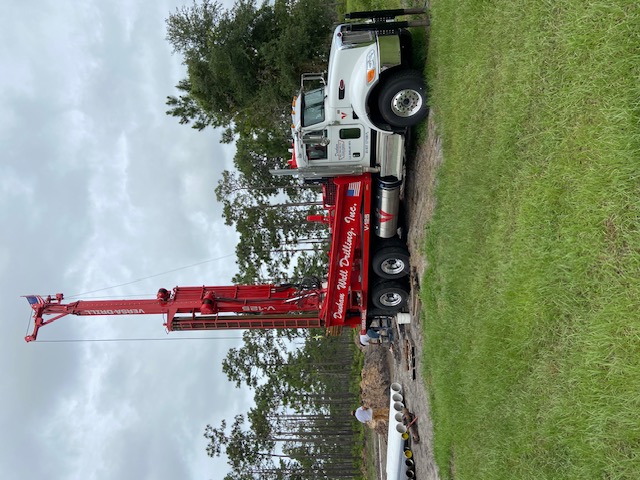
Brown well water after heavy rain usually points to sediment, surface runoff, or a change in the well’s normal water flow, and in Central Florida it’s a good reason to have the well, pump, and water treatment system checked.
Why well water turns brown after heavy rain
When you see well water brown after heavy rain, the first thing we look at is whether surface water has gotten where it should not. Heavy rain can stir up fine sand, silt, and organic material in the aquifer, especially if the well is shallow or the casing, cap, or seal is not in good shape.
In Polk County and the surrounding area, a rain event can also change groundwater levels fast enough to pull in water that carries sediment or discoloration. If your water was clear before the storm and turns brown right after, that timing matters.
Common reasons this happens
- Sediment entering the well through a damaged casing, cap, or seal
- A failing pump or pressure tank stirring up particles in the system
- Disturbed groundwater after a major rain event
- Corrosion or scale inside the plumbing or pump components
- A shallow well drawing from a changing water table after heavy rainfall
If the water is only discolored for a short period, the issue may be temporary. If it keeps happening every time it rains, the system needs professional attention.
What to check before you use the water
Do not assume the water is safe just because the brown color looks like dirt. Discoloration can come from harmless sediment, but it can also point to a problem that needs repair.
Check these items:
- How long the water has been brown
- Whether the color is cloudy, rusty, or sandy
- Whether the pressure changed at the same time
- Whether the problem started after a storm, lightning, or a pump cycle issue
- Whether other fixtures in the house show the same discoloration
If you have a whole-house treatment system, a brown-water event may also mean the system needs service or the filter media is loaded up with sediment. We handle both pump and filter work, which is helpful when the problem is not just one piece of equipment. You can learn more about our Water Filtration & Treatment service if your water has started looking, smelling, or tasting different after rain.
The well, the pump, or the water treatment system?
A brown-water problem is not always a well-drilling issue. Sometimes the pump is pulling sediment because of wear or because it is set too close to the bottom of the well. Sometimes the pressure tank or plumbing is stirring up debris that has already been sitting in the system.
When the pump may be the problem
A pump that is worn, damaged, or drawing from the wrong depth can pull up sand and fine material. If the water turns brown when the pump kicks on, or if you notice sputtering along with discoloration, the pump system should be inspected.
We repair and install residential pumps, irrigation pumps, turbine pumps, industrial pumps, centrifugal pumps, and pressure tanks through our Pump Repair & Installation service. We also have a full-line machine shop for in-house rebuilds, which helps when the pump needs more than a quick part swap.
When the well itself may be the problem
If heavy rain keeps producing brown water, the well may need a closer look at the casing, screen, or sanitary seal. A shallow system can be more vulnerable to storm-related changes than a properly constructed deeper well.
Our Water Well Drilling service includes new wells for residential, agricultural, and commercial properties, plus site evaluation and casing selection. We drill 2-inch shallow irrigation wells and 4-inch to 8-inch deep wells for drinking water and high-volume use.
Why Central Florida wells can react after storms
Central Florida groundwater conditions can change quickly during a hard rain. In our service area, that can mean a short-term change in water clarity, especially in areas where irrigation demand is high or the local water table shifts with the season.
We’ve worked in Polk County for three generations, so we’re familiar with how local aquifer conditions can affect wells after heavy rain. That experience matters when the goal is not just to get water moving again, but to figure out why the water changed in the first place.
If you are in Winter Haven, our shop is right here in town, and we’ve served the area for decades. You can see more about our local work on the Winter Haven page.
What Dunham can do to fix brown well water
Depending on what we find, we may recommend one or more of the following:
- Well inspection for casing, cap, and seal issues
- Pump diagnosis to check for wear, sediment intake, or failure
- Water testing to identify what is in the water
- Filter service or installation for sediment, iron, or sulfur problems
- Well drilling or rework if the existing well is no longer suitable
- Well abandonment for a failed well that should be closed properly
We also provide on-site water testing for treatment decisions, which helps separate a sediment issue from iron, hydrogen sulfide, or other water quality problems. If the rain exposed a deeper problem, we can handle the repair work and the treatment side together instead of sending you to multiple companies.
When to call for help
Call when the water stays brown for more than a short flush, when the problem comes back after every heavy rain, or when you notice low pressure, sputtering, or sand in the water. You should also call if the discoloration shows up after lightning, because lightning can damage pumps, controls, and pressure systems.
For emergency situations, our 24/7 answering service is live. We return calls within 48 hours, and if you have a drinking water well that has stopped working or a mobile-home-park well that is down, that counts as an emergency for us.
If your well water brown after heavy rain problem is not clearing up, call Dunham Well Drilling at (863) 965-2881. We’ve been doing this since 1950, we’re a licensed water well drilling contractor and FGWA member, and our full machine shop lets us repair pumps and turbines in-house when that’s what your system needs.
Have a well or pump question?
Skip the form and call us. Our 24/7 answering service is always live.
Call (863) 965-2881