Why is my well water sandy or gritty?
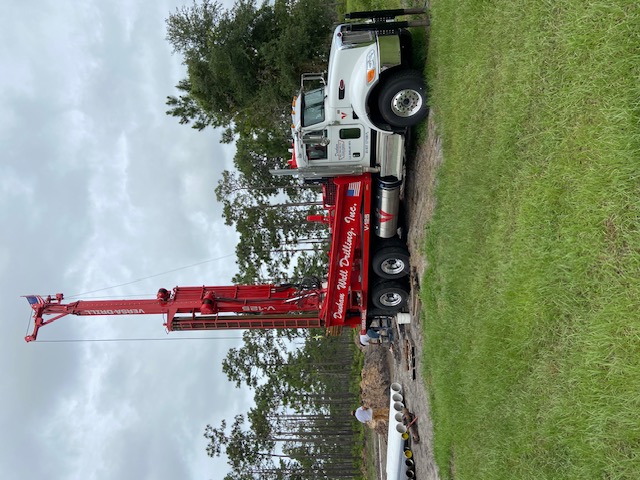
Well water sandy or gritty usually means sand, silt, or fine sediment is getting into the well or plumbing system, and the fix depends on whether the problem is coming from the well itself, the pump, or the water table.
Why well water gets sandy or gritty
A gritty feeling in the water usually points to sediment intrusion. In Central Florida, that can happen for a few different reasons:
- A worn or failing well pump that is pulling in sand along with water
- A damaged well screen or casing that lets fine material enter the well
- A change in the aquifer or water table that stirs up sediment
- A shallow well that is drawing from sandy formation material
- A plumbing or pressure issue that is moving debris already in the system
If the water suddenly turned sandy after years of normal service, that is often a sign something changed in the well or pump system. If it has always been that way, the well may need a different approach, such as a pump adjustment, a rehabilitation step, or a different treatment setup.
Signs the problem is in the well, not just the faucet
A little sediment at a single faucet can be a plumbing issue. But if you see gritty water throughout the house, the source is usually farther upstream. Look for these clues:
- Sand or grit shows up in multiple fixtures
- You hear the pump cycling more often than usual
- Water pressure has dropped
- The water clears after running, then turns gritty again
- Toilets, valves, or appliances are collecting sediment
If you are seeing these symptoms, it is time to call a professional. We do not recommend trying to pull apart a well, pump, or pressure system yourself.
Common causes of sandy well water in Central Florida
Central Florida wells can be affected by local geology, well depth, and how the pump is set. In Polk County, we see several recurring causes.
Pump set too low or drawing up sediment
If a pump is installed too close to the bottom of the well, it can pull in sand from the lower part of the water column. That is especially common in shallow or high-use wells. Sometimes the pump needs to be reset higher in the well, or the system needs a different pump setup.
Well screen or casing problems
The well screen is supposed to keep formation material out while allowing water in. If it is damaged, corroded, or worn out, sediment can enter the water stream. A casing issue can do the same thing. These are not DIY fixes; they require proper well inspection and repair.
A shallow well that is no longer producing clean water
A shallow irrigation well can be a good fit in the right location, but sandy conditions or changes in the water table can affect performance over time. If the well is marginal for the site, it may start carrying more sediment during dry periods or heavy use.
Pump wear or internal damage
A worn impeller, a failing pump component, or damaged parts inside the pump can reduce performance and contribute to gritty water. Our pump repair and installation work includes residential pumps, irrigation pumps, turbine pumps, and pressure tanks, and we rebuild pumps and turbines in-house with our full-line machine shop.
What to do when your water is gritty
Start by noticing when the problem happens. Does it show up all the time, only when the pump first kicks on, or only after heavy watering? That timing helps narrow down the cause.
Here is what we usually recommend:
- Do not ignore it. Sand can damage fixtures, appliances, and valves.
- Avoid disassembling the pump or pressure system yourself.
- Check whether the problem affects the whole house or only one fixture.
- Call for a professional inspection if the grit is more than a brief, isolated issue.
If you suspect the issue is tied to the well or pump, we can inspect the system and help determine whether the best fix is repair, adjustment, or a different well solution.
Can filtration fix sandy well water?
Sometimes filtration helps, but it depends on the source of the problem. A sediment filter can catch some particles, but it will not solve a failing well screen, a damaged casing, or a pump that is pulling sand from the bottom of the well.
That is why we look at the whole system, not just the symptom. Our water filtration and treatment service includes whole-house systems for hard, smelly, or staining well water, and we do on-site water testing to identify what is actually in your water. If the water is gritty because of sediment, we can help determine whether a filter, a pump change, or another repair makes the most sense.
When to call Dunham Well Drilling
If your well water is sandy or gritty, call us when the sediment keeps coming back, pressure has changed, or you suspect the pump or well itself is the source. Dunham Well Drilling has served Winter Haven and Polk County since 1950, and we bring both well drilling and pump service together under one roof. We also have a full machine shop on-site for in-house pump and turbine rebuilds, which helps us diagnose and fix problems faster and more completely.
We are located at 1341 42nd Street NW, Winter Haven, FL 33881, and you can reach us at (863) 965-2881. For well water that is sandy or gritty, it is worth calling Dunham because we know Polk County aquifer conditions, we service the pump and the well system, and we have the experience to help you get to the real cause instead of just treating the symptom.
Have a well or pump question?
Skip the form and call us. Our 24/7 answering service is always live.
Call (863) 965-2881